Offering gift cards to research participants is one of the most effective ways to improve survey completion rates and participant engagement.
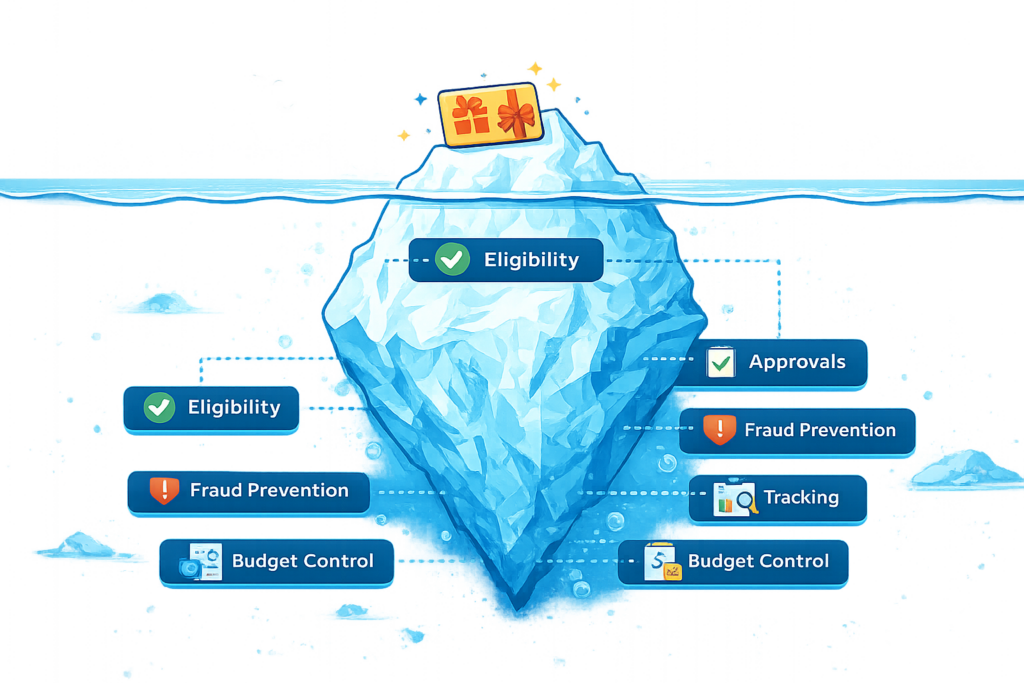
Yet for many research teams, the real challenge begins after the incentive has been approved.
How do you ensure that every reward reaches the correct participant? How do you prevent duplicate payments? How do you track unused gift cards purchased with grant funding? And how do you demonstrate compliance when auditors request documentation months later?
These questions are becoming increasingly important for universities, healthcare organizations, and research institutions managing participant incentive programs.
Incentives Are More Than Just Gift Cards
In many research studies, participant incentives are funded through grants and sponsored research budgets. This means that every dollar spent must be properly documented and accounted for.
Research administrators are often expected to maintain records showing:
- Which participant received each incentive
- When the incentive was distributed
- The value of the reward
- Whether duplicate payments occurred
- How unused incentives were handled
While these requirements may seem straightforward, managing them manually quickly becomes difficult as participation volumes increase.
The Risk of Fraud and Duplicate Claims
Online surveys create opportunities for abuse.
Without appropriate controls, researchers may encounter:
- Duplicate survey submissions
- Multiple claims from the same individual
- Automated bot responses
- Unauthorized access to reward links
- Budget losses caused by fraudulent participants
Unfortunately, incentive funds lost through fraudulent activity are rarely recoverable.
For this reason, many institutions encourage researchers to use secure survey platforms and implement additional safeguards around participant rewards.
Why Reconciliation Matters
One of the most overlooked aspects of incentive management is reconciliation.
At the end of a study, research teams should be able to answer a simple question:
Do the number of incentives distributed match the number of eligible participants?
A proper reconciliation process helps identify:
- Missing rewards
- Duplicate distributions
- Inventory discrepancies
- Unused gift card balances
Without accurate reconciliation, institutions may struggle to demonstrate compliance with grant requirements.
Managing Unused Incentives
Unused incentives are another common challenge.
A study may budget for hundreds of participant rewards, yet enrollment targets are not always reached.
When rewards remain undistributed, researchers need a clear process to:
- Track remaining inventory
- Reallocate incentives to future participants when appropriate
- Return unused funds when required by institutional policy
Maintaining visibility into unused rewards helps reduce waste and improves financial accountability.
Building a More Secure Incentive Workflow
Modern research teams increasingly look for solutions that provide:
- Automated participant reward delivery
- Individual reward tracking
- Fraud prevention controls
- Audit-ready reporting
- Inventory management for unused rewards
- Integration with research survey platforms
The goal is not simply to send gift cards.
The goal is to create a transparent, secure, and compliant incentive process that protects both research budgets and participant trust.
Participant incentives can significantly improve research outcomes, but they also introduce operational and compliance responsibilities.
As research programs grow, manual spreadsheets and ad hoc processes often become difficult to maintain.
Organizations that invest in secure, auditable incentive workflows are better positioned to protect grant funding, reduce administrative burden, and maintain confidence in their research programs.
How appyReward Helps Research Teams Stay in Control
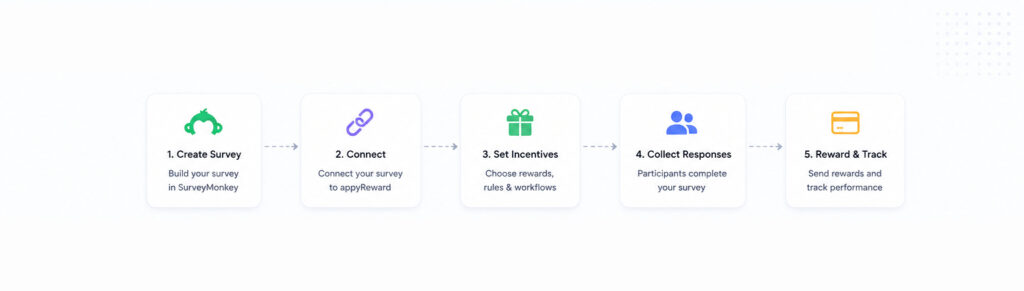
AppyReward was designed to help research teams automate participant incentives while maintaining visibility and control throughout the entire reward lifecycle.
Each reward can be linked to an individual participant, creating a clear distribution history that can be reviewed at any time. Automated delivery reduces manual handling, while built-in controls help prevent unauthorized reward access and duplicate claims.
Research teams can also track unused rewards, reassign them to future participants when appropriate, or request a refund of remaining balances at the end of a project. This provides a simple way to maintain accurate records and reduce the administrative burden often associated with participant incentive programs.
Whether incentives are distributed through SurveyMonkey, REDCap, Qualtrics, or other survey platforms, the objective remains the same: helping researchers focus on their studies while maintaining a secure, transparent, and accountable reward process.